
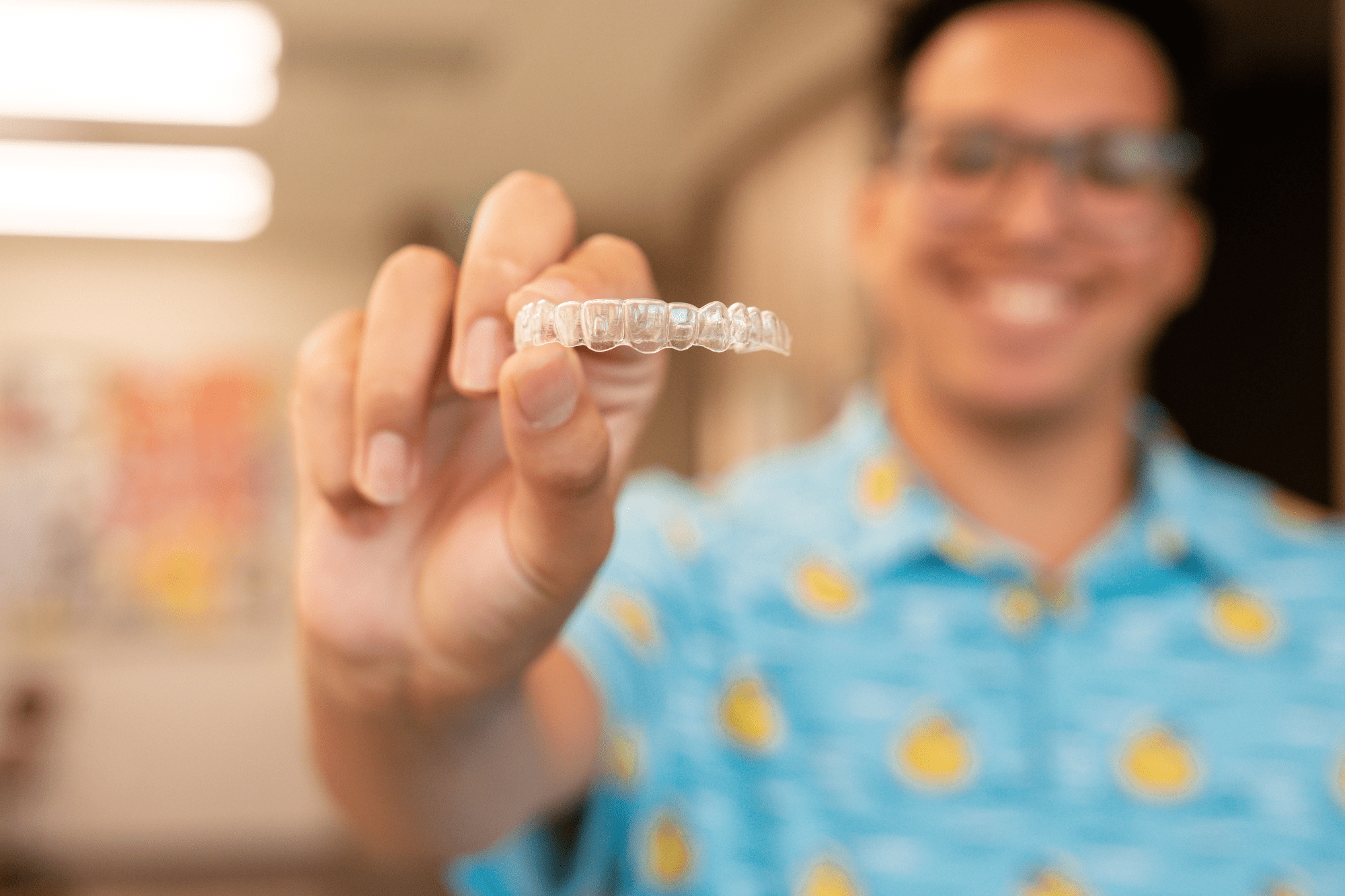
Clear aligners have quickly become one of the most requested ways to straighten teeth. They’re discreet, removable, and fit into daily life without much fuss. But here’s the honest truth: they aren’t the right fit for every smile, and not everyone will qualify.
Most candidates for clear aligners have mild to moderate crowding, spacing, or bite issues, healthy teeth and gums, and the discipline to wear trays 20 to 22 hours a day. If that sounds like you, there’s a good chance you’ll qualify. This guide from DiCiccio Freeman Orthodontics covers the key factors that shape candidacy so you can self-assess before you sit down with a professional.
Why Candidacy Matters Before You Commit
Most people who ask about clear aligners are good candidates, but not everyone. Understanding the basics upfront saves you time, sets realistic expectations, and helps you feel confident when you walk into that first visit.
A quick self-check can tell you a lot. Still, only a trained doctor can confirm candidacy with certainty. That’s why a professional evaluation, complete with digital scans and a hands-on exam, is the true starting line.
Here’s what we’ll cover:
- What clear aligners are and how they work
- Which bite issues they can (and can’t) correct
- Age, oral health, and lifestyle factors
- What to expect at your first visit
What Clear Aligners Are and How They Work
Clear aligner treatment uses custom-made, BPA-free plastic trays that gently shift your teeth into a better position over time. You wear a new set every one to two weeks, and each tray moves your teeth a little closer to the finish line.
Most people wear them 20 to 22 hours a day, taking them out only to eat, drink anything other than water, and brush. Popular systems include Invisalign, ClearCorrect, and Spark, and each one is designed using 3D digital scans and treatment planning software.
A few quick facts:
- Trays are smooth, clear, and removable
- Treatment is mapped out digitally from day one
- You’ll typically switch trays every 1 to 2 weeks
- No metal brackets or wires involved
Which Bite Issues Can Clear Aligners Correct?
Today’s clear aligners can handle more than they could a decade ago. They’re a strong option for mild to moderate bite issues and cosmetic concerns alike.
Clear aligners can often correct:
- Mild to moderate crowding
- Gaps or spacing between teeth
- Mild to moderate overbite, underbite, and crossbite
- Open bite
- Minor relapse after previous orthodontic treatment
- Cosmetic alignment concerns
If your smile falls into one of these categories, there’s a strong chance you’ll be a candidate. That said, severity matters, and only a doctor can measure it properly.
What Disqualifies You From Clear Aligners?
Some bites are simply better served by braces or a combined approach. That’s not a bad thing. It just means you’ll get the right tool for the job.
Situations that may fall outside aligner territory include:
- Severe skeletal jaw differences that require oral surgery or braces
- Teeth that are significantly rotated or tipped
- Large vertical movements or impacted teeth
- Complex bites needing precise, three-dimensional control
If any of these apply, don’t count yourself out of orthodontic care. Braces from Dr. Pat DiCiccio, DDS, Dr. David Freeman, DDS, and Dr. Lucas DiCiccio, DDS can achieve results that aligners can’t, and often in a similar timeframe.
Age Considerations: Teens, Adults, and Seniors
One of the most common questions we hear is, “Am I too old for clear aligners?” The short answer is no. Your smile is never over the hill.
Here’s a quick breakdown:
- Teens: Great candidates when the jaw is developed enough and they’re ready to commit to daily wear.
- Adults 20 to 55: Often ideal candidates, especially professionals who want a low-profile option.
- Seniors: Age alone doesn’t disqualify you. Healthy gums and good bone support matter far more than the number on your driver’s license.
What truly drives success at any age is oral health and consistent wear time.
Oral Health Requirements
Before aligners can do their job, your teeth and gums need to be in good shape. Think of it as building on a solid foundation.
A few prerequisites your doctor will look for:
- No active tooth decay or untreated cavities
- Healthy gums, free from active gum disease
- Existing crowns, bridges, or implants evaluated case-by-case
- Strong daily brushing and flossing habits
If something needs attention first, your general dentist and orthodontic team can coordinate care so you start treatment on the right footing.
Lifestyle and Compliance Factors
Clear aligners give you flexibility, but they also require discipline. Since the trays only work when they’re in your mouth, your daily habits play a big role in your success.
Ask yourself:
- Am I willing to wear my trays 20 to 22 hours a day?
- Can I remember to put them back in after every meal?
- Am I okay brushing after eating and drinking anything other than water?
You’ll also want to build a habit of cleaning your aligners daily so they stay clear, fresh, and easy to wear.
A few lifestyle notes worth mentioning:
- Athletes: Aligners are not a substitute for a mouthguard, so plan to wear proper protection during contact sports.
- Frequent travelers: Trays are easy to pack and don’t require in-office adjustments as often as braces.
- Smokers: Smoking can stain trays quickly, so removing them (and brushing before reinserting) is important.
- Professionals: Many adults choose aligners because they’re hard to notice during meetings and video calls.
What Happens at a Candidacy Consultation
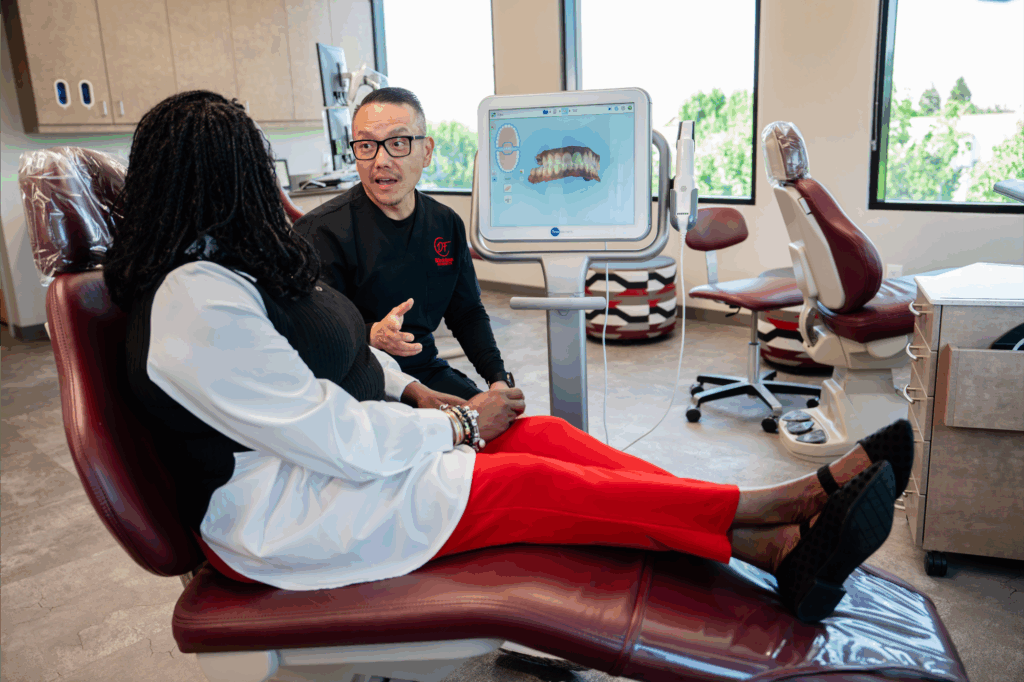
Still not sure if you qualify? A free consult at our Fresno or Clovis office is exactly what it sounds like: a low-pressure visit designed to give you real answers. You’ll spend time with Dr. Pat DiCiccio, Dr. David Freeman, or Dr. Lucas DiCiccio, and you’ll leave with a clear picture of your options.
Here’s what to expect:
- A friendly welcome and short review of your dental history
- A thorough checkup and digital X-rays
- Digital scans of your teeth (no goopy impressions, we promise)
- A conversation about your goals, timeline, and treatment options
- A preview of your possible smile before you commit to anything
You’ll leave knowing your options, whether that’s clear aligners, clear braces, or metal braces.
Frequently Asked Questions
Can clear aligners fix my overbite?
In many cases, yes. Clear aligners can correct mild to moderate overbites, especially with the help of small tooth-colored attachments. More severe overbites may need braces or a combined approach. A quick exam and digital scan can tell you which category you fall into.
Do I qualify for clear aligners with crowded teeth?
Mild to moderate crowding is one of the most common issues clear aligners treat. Severe crowding may need extractions or braces for better control. Your doctor will measure spacing and root position to recommend the best route for your smile.
How long does clear aligner treatment take?
Most cases take somewhere between 6 and 24 months, depending on how much movement your teeth need. Simple cosmetic touch-ups can wrap up faster, while full bite corrections take longer. Wearing your trays as directed is the single biggest factor in staying on schedule.
What if I’m not a candidate for clear aligners?
Don’t worry, you still have great options. Clear braces and metal braces can handle nearly any case, including severe crowding, bite issues, and complex tooth movements. The goal is always the same: a healthy, confident smile that lasts.
Next Steps: Confirm Your Candidacy
Self-assessment is a great start, but only a professional evaluation can confirm whether clear aligners are the right fit for you. The good news? Finding out is easy, and there’s no pressure to commit.
At DiCiccio Freeman Orthodontics, your free consult includes a full exam, digital scans, and a preview of your future smile. You’ll get honest answers, a clear plan, and a treatment recommendation that fits your goals, whether that’s clear aligners in Fresno or another option.
Ready to find out if you qualify? Schedule your free consult today and take the first step toward a smile that’s for life.