
You made it through treatment, and your new smile is ready to show off. Now comes the part that protects everything you worked for: retention. Choosing between fixed vs. removable retainers (and knowing what to expect after braces come off) is one of the most important decisions you’ll make with our team at DiCiccio Freeman Orthodontics.
Below is what you need to know about each option, how they work and which one fits your lifestyle best.
What Are Fixed and Removable Retainers?
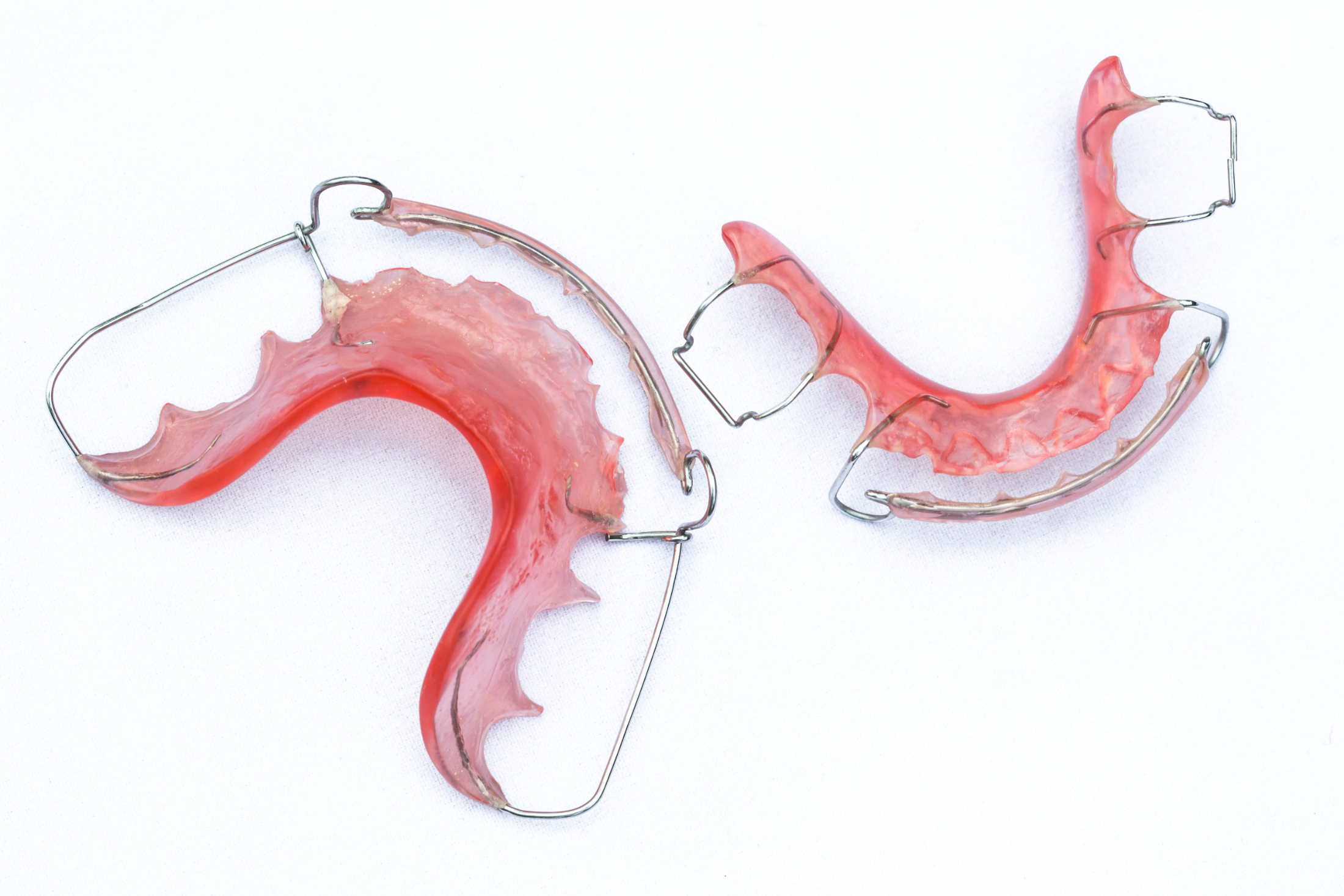
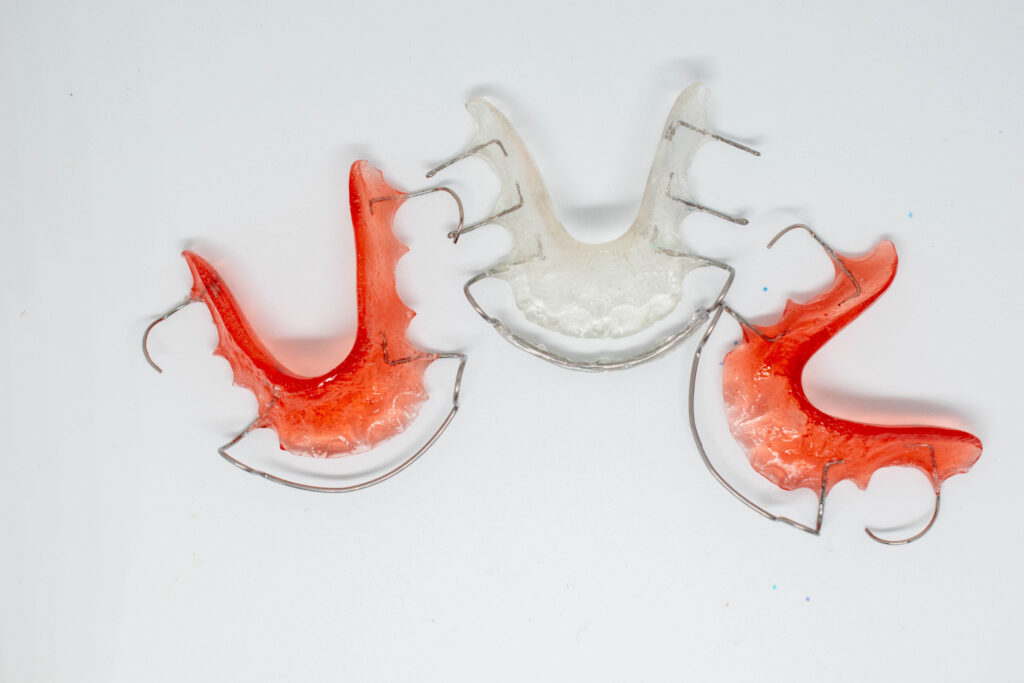
A fixed retainer is a thin wire bonded behind your front teeth that stays in place 24/7. A removable retainer comes in two main styles: the Hawley (acrylic plate with a visible wire) and the clear Essix tray that fits over your teeth like a thin aligner. Both types hold your teeth in their new positions so they don’t drift back after braces come off.
Retention isn’t a short-term step. Teeth shift throughout life, so some form of retainer wear is recommended long-term to protect your smile. The right choice depends on your daily habits, how committed you are to wearing something removable and what Dr. Pat DiCiccio, Dr. David Freeman and Dr. Lucas DiCiccio recommend based on your bite and the way your teeth settled during treatment.
Some patients do best with one type. Others wear a combination of both. There’s no single right answer, just the right fit for you and your routine.
How Retainers Work After Braces Come Off
Right after braces come off, your teeth are in their new positions but the surrounding bone and ligaments haven’t fully settled. Teeth have memory, and without something holding them steady, they’ll try to shift back toward where they started. Retainers apply gentle, passive pressure that keeps everything in place while your mouth stabilizes over the following months.
Here’s the typical timeline:
- First 3-6 months: Removable retainers worn full-time (around 22 hours a day), only out for eating and brushing.
- After the initial phase: Nighttime wear only, for life.
- Fixed retainers: Work 24/7 on their own, no schedule to remember.
At DiCiccio Freeman Orthodontics, we start your Retainer Program with digital scans instead of molds. The scans create a custom fit that’s snug without feeling tight. Your removable retainer should slide on easily and feel secure from day one.
What to expect in the first week:
- Mild pressure or tenderness for a day or two.
- A short adjustment period for speaking with removable trays.
- Extra saliva at first (totally normal).
- A tight fit each morning if you’ve only been wearing it at night.
If your retainer ever feels loose, tight in a new way or just off, give our office a call. Early check-ins prevent bigger issues down the road and keep your smile right where you want it.
Benefits of Each Retainer Type
Each retainer has strengths. The best one for you depends on what you value most: convenience, invisibility, hygiene or peace of mind.
Fixed (Bonded) Retainer Benefits
- Invisible from the front. The wire sits behind your teeth, so no one sees it.
- Zero compliance needed. It’s always working, even when you forget about it.
- Great for teens and busy adults. A good fit if remembering a removable retainer sounds like a stretch.
- Steady, reliable retention. Especially helpful for lower front teeth, which are most likely to shift.
- Long-lasting. With good care, a bonded retainer can last many years before needing repair.
Removable Hawley Retainer Benefits
- Durable and long-lasting. Hawleys typically hold up for 5-10 years.
- Adjustable. Our team can tweak the wire to fine-tune your bite.
- Easy to clean. Pop it out, brush it, rinse it, done.
- Classic design. Many patients appreciate how sturdy it feels.
Removable Clear (Essix) Retainer Benefits
- Nearly invisible. A good option for adults who don’t want anything showing.
- Comfortable. The smooth plastic fits closely without bulk.
- Easy to wear. Slips on and off in seconds.
- Easier flossing and brushing. You remove it, so your routine stays the same.
Fixed vs. Removable Retainers: Side-by-Side
Here’s a quick comparison to help you weigh your options:
| Feature | Fixed (Bonded) | Hawley (Removable) | Clear Essix (Removable) |
|---|---|---|---|
| Visibility | Hidden behind teeth | Visible front wire | Nearly invisible |
| Compliance Required | None | Daily discipline | Daily discipline |
| Cleaning | Floss threaders, water flosser | Easy, brush and rinse | Easy, brush and rinse |
| Durability | Many years with care | 5-10 years | 1-3 years typically |
| Adjustable | No | Yes | No |
| Replacement Frequency | Rare | Infrequent | More frequent |
| Best For | Forgetful wearers, athletes, teens | Patients wanting durability | Adults wanting invisibility |
Plenty of our patients choose a hybrid approach: a fixed retainer on the lower teeth (where shifting is most common) plus a removable clear retainer for the upper arch at night. You get the always-on protection where you need it most and the easy, invisible option on top.
Your doctor will walk through which setup makes the most sense for your smile and your daily routine.
Caring for Your Retainer and Replacing a Lost One
A retainer only protects your smile when it’s in one piece and in your mouth, which is why retainer care matters so much. A few simple habits go a long way:
- Keep it in its case. Never wrap it in a napkin. That’s how retainers end up in the trash.
- Keep it away from heat. Heat can warp the plastic and change the fit.
- Bring it to every check-in. Your doctor can check the fit and catch wear early.
- Lost or broken? New digital scans are all it takes to make a fresh set.
If you lose or break a retainer, call our Clovis or Fresno office right away. The longer you go without one, the more your teeth can shift, and bigger shifts mean bigger repairs. Our digital scans make replacements fast and mess-free.
Which Retainer Is Right for You?
The best retainer is the one you’ll actually wear (or in the case of a bonded retainer, the one that fits your lifestyle without a second thought). Think it through this way:
- Teens and athletes: A fixed retainer takes the pressure off remembering, and there’s no risk of losing it in a gym bag.
- Adults who want something invisible: Clear removable retainers are hard to spot and easy to pop in at night.
- Patients with gum sensitivity or hygiene concerns: Removable options let you brush and floss normally.
- Significant pre-treatment crowding: A fixed lower retainer often gives extra protection against shifting.
- Musicians who play wind instruments: A removable retainer may feel more natural when you’re playing.
- Metal or acrylic allergies: These influence which materials we recommend.
- Forgetful wearers: If a removable retainer would spend more time in its case than in your mouth, go fixed.
The good news? You don’t have to decide alone. Dr. Pat DiCiccio, Dr. David Freeman and Dr. Lucas DiCiccio bring over 30 years of combined experience to this conversation. Our team walks through your options at your free consult and helps you pick what fits your life.
You’re a neighbor, not a number, and we want your retention plan to actually work for you and the way you live.
Frequently Asked Questions
How long do I have to wear a retainer?
Nighttime wear is recommended for life. Teeth naturally shift as you age, and retainers are the simplest way to keep your smile exactly where you want it. The first few months require full-time wear with removable retainers, then you transition to nights only for the long haul.
Do retainers hurt?
You may feel mild pressure or tenderness for the first few days, especially if you’ve gone without wearing a removable retainer for a night or two. That’s your teeth settling back into place. If you feel sharp discomfort, something sticking out or the fit feels wrong, give us a call.
Can I switch from a fixed retainer to a removable one later?
Yes. Many patients start with a fixed retainer and transition to removable wear once their bite has fully stabilized, or vice versa. Talk with your doctor about the right timing based on how your teeth are holding and what feels most practical for you.
What should I do if my retainer breaks or gets lost?
Contact our Clovis or Fresno office right away. Teeth can start shifting within days without retention. We’ll get you in quickly, take new digital scans if needed and get a replacement in the works before any noticeable movement happens.
How do I clean a bonded retainer?
Floss threaders and a water flosser are your best friends. Thread floss under the wire to clean between teeth, and use a water flosser daily to flush out anything your brush misses. Regular cleanings at your dentist help keep the area healthy too.
Will a retainer affect my speech?
Removable retainers can cause a slight lisp for the first few days as your tongue adjusts. It usually resolves within a week of consistent wear. The more you talk, read aloud or sing along with the radio, the faster your speech adapts. Fixed retainers rarely affect speech since they sit flat behind your teeth.
Ready to protect your new smile for the long haul? Our team at DiCiccio Freeman Orthodontics is here to help you choose the right retainer and keep your results looking their best. Stop by our Clovis office at 2177 Herndon Avenue, Suite 101 or our Fresno office at 7055 North Fresno Street, Suite 302, or call (559) 325-3300 to schedule your free consult. A smile is for life. Let us help make yours shine!